Virus vs Bacteria vs Fungi – Which One Makes You Sick?
Virus vs Bacteria vs Fungi – Which One Makes You Sick?
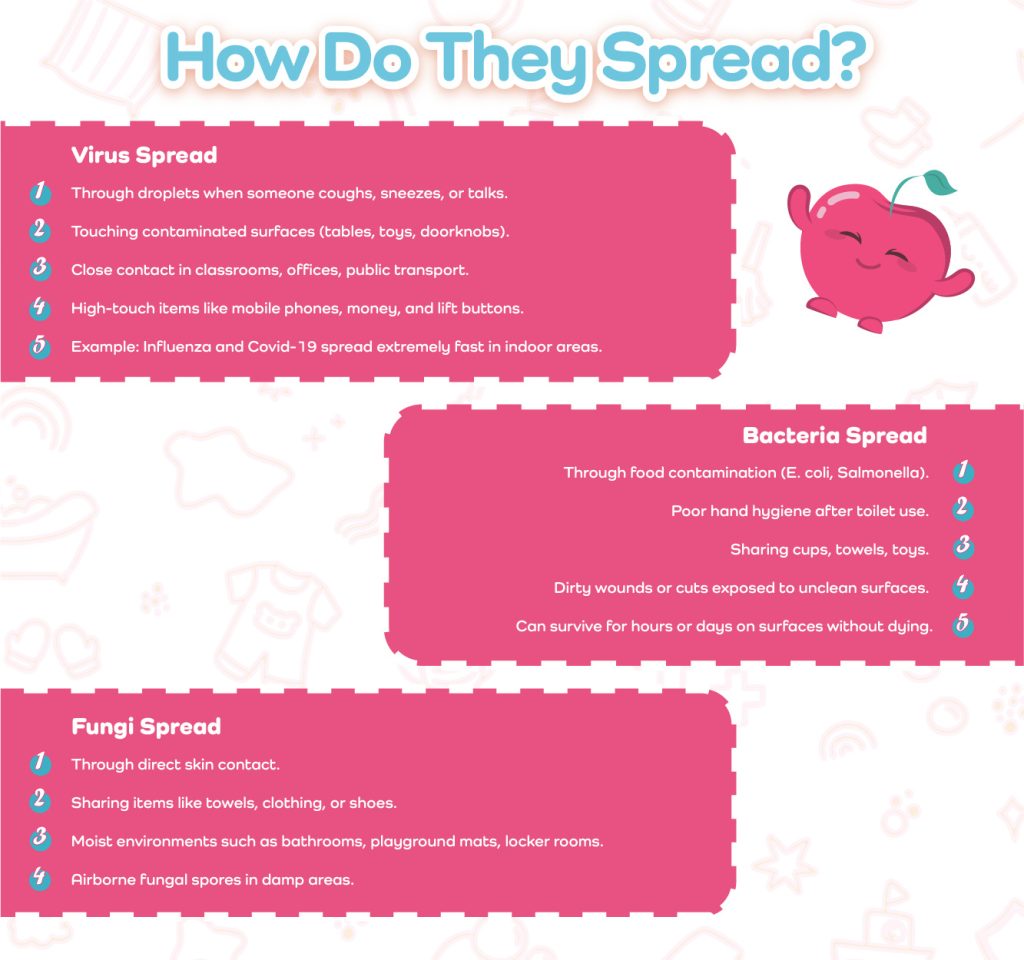
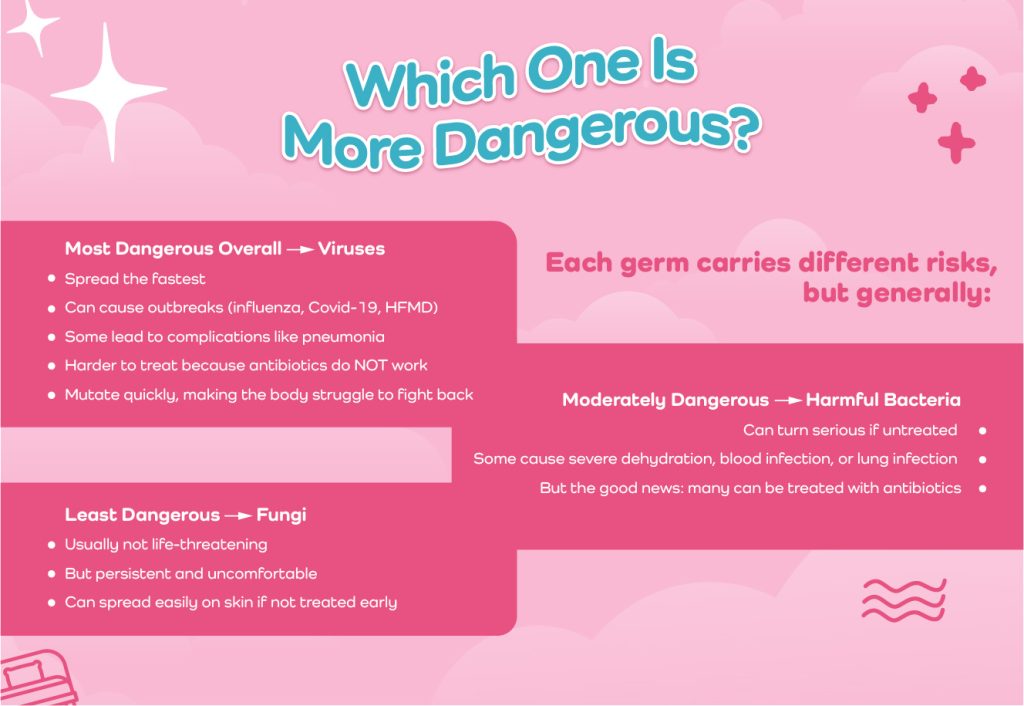
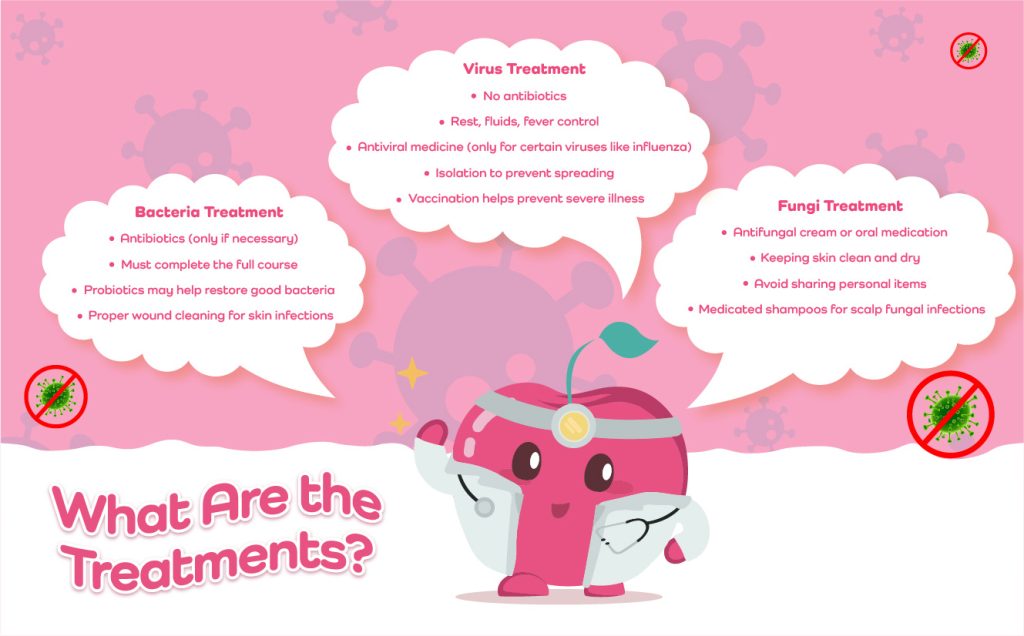
Every day, we hear about viruses, bacteria, and fungi—especially when someone in the family falls sick. But many people still get confused. Which one causes flu? Which one gives rashes? Which one needs antibiotics? Understanding the difference can help you react faster, get the right treatment, and protect your loved ones more effectively.
This guide explains the three major types of germs in simple layman language so everyone—especially parents—can understand how they work, how they spread, and how to stay safe.
What’s the Difference Between Virus, Bacteria & Fungi?
🦠 Virus
The smallest germ—cannot be seen even with a normal microscope.
Cannot live on its own. It must “invade” a living cell to survive.
Uses your body cells to multiply.
Common viral illnesses: flu/influenza, HFMD, Covid-19, dengue, common cold, stomach flu.
🧫 Bacteria
Larger than viruses and able to survive on their own.
Can be harmful OR beneficial (some bacteria help digestion).
Harmful bacteria cause infections like food poisoning, skin infections, strep throat, ear infections.
Can survive on surfaces longer than viruses.
🍄 Fungi
Include moulds, yeast, and fungal spores.
Usually grow in warm, moist places.
Cause infections like ringworm, fungal rashes, athlete’s foot, and oral thrush.
Often spread slowly but can be persistent.
Symptoms: How Do They Make You Sick?
Virus Symptoms
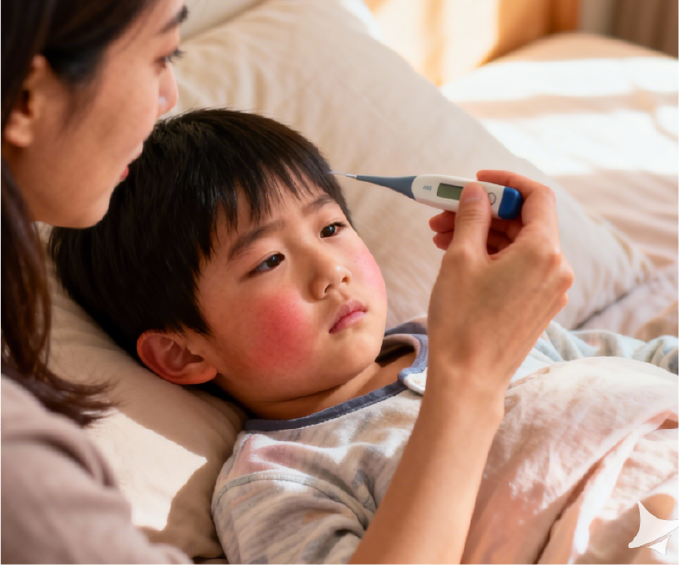
Sudden fever
Sore throat
Body aches
Runny nose/cough
Vomiting or diarrhoea (especially in children)
Weakness, tiredness
Rashes (HFMD, measles)
Viral symptoms usually come on fast and spread quickly within families or classrooms.
Bacterial infections often feel more “intense” and last longer without treatment.
Fungi Symptoms
Itchy skin
White patches (mouth thrush)
Red, scaly, circular patches (ringworm)
Peeling or cracked skin (athlete’s foot)
Fungal infections may not be dangerous but are stubborn and can spread through scratching.
How Do Parents Protect Their Children?
Build Strong Hygiene Habits
Wash hands often with soap
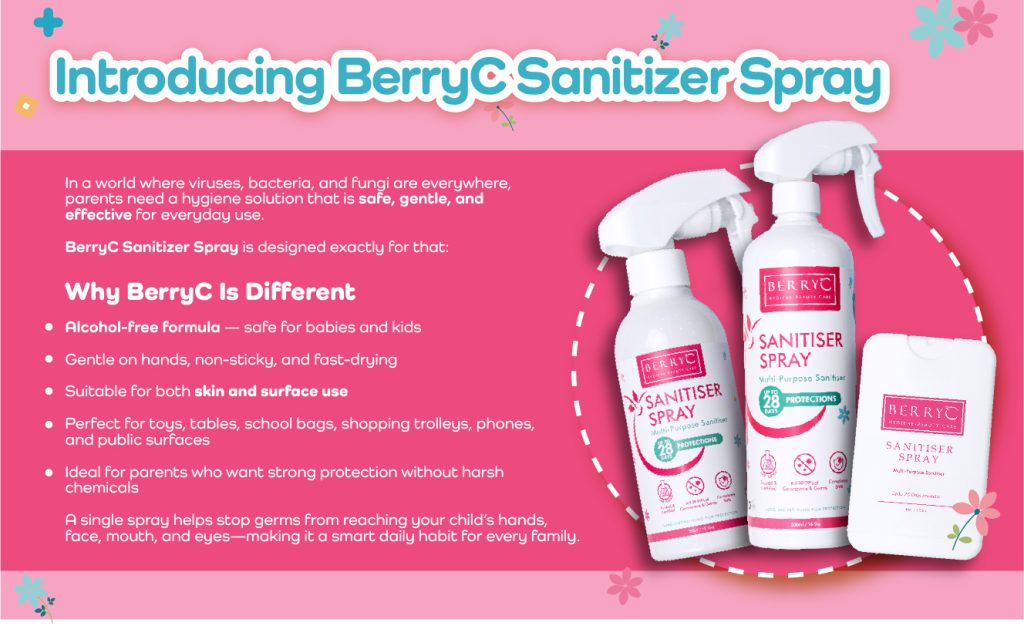
Sanitize hands when outside
Avoid touching face, nose, and eyes
Wipe down commonly touched items (phones, lunchboxes, toys)
Boost Immunity
Enough sleep
Balanced meals
Warm baths
Less junk food and sugary snacks
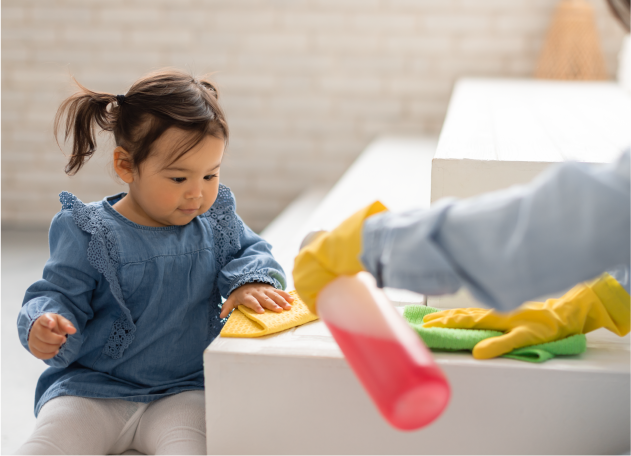
Keep the Environment Clean
Wipe tables, kids’ chairs, and play areas
Wash bedsheets regularly
Clean school bags and water bottles often
Recognise Early Symptoms
If your child suddenly develops fever + cough + sore throat → likely viral.
If the fever is persistent, with yellow mucus or severe pain → may be bacterial.
If there are itchy patches or white spots → likely fungal.
When to See a Doctor
Fever above 38.5°C for more than 48 hours
Breathing difficulty
Severe vomiting or dehydration
Persistent rashes
Suspected bacterial infection
Conclusion
Viruses, bacteria, and fungi are all around us, and each type of germ behaves differently. By understanding how they spread and how they affect our bodies, parents can take simple steps to protect their children—especially during school season or flu outbreaks. Good hygiene, early recognition of symptoms, and the right preventive tools make a huge difference.