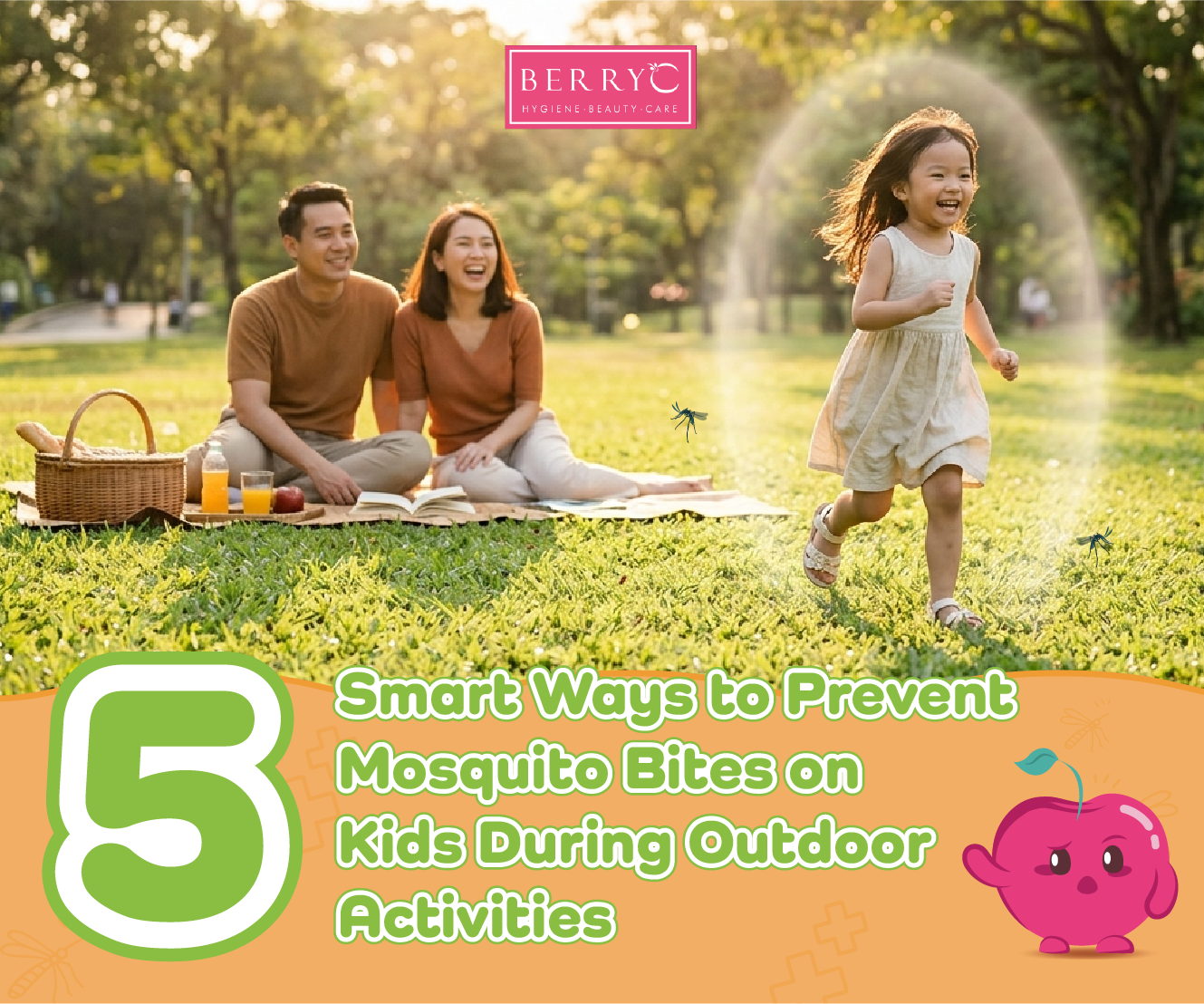
5 Smart Ways to Prevent Mosquito Bites on Kids During Outdoor Activities
Spending time outdoors with your kids can be one of the best parts of family life. Park trips, evening walks, playground time, jogging, picnics, and weekend outings all sound great. But mosquito bites can ruin the fun very quickly. They are itchy, annoying, and in some cases, they can also spread illnesses. That is why parents should not treat mosquito protection as an afterthought. A few simple habits can go a long way in lowering the risk.
Mosquito bites are not just “small bites.”
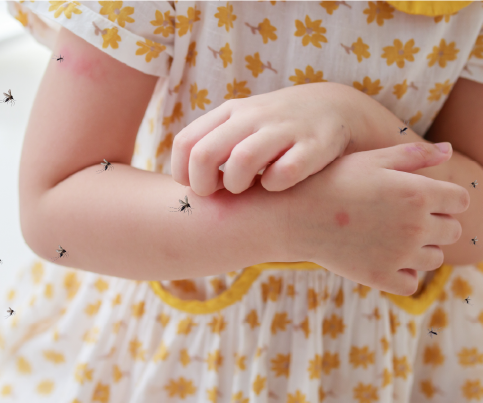
For many kids, a mosquito bite means itching, scratching, redness, and discomfort for hours or even days. When children keep scratching, the skin can get more irritated and sometimes become sore. More importantly, some mosquitoes can carry diseases, so prevention matters even when your child is only going outside for a short while.
A few mosquito-spread diseases parents in Malaysia should know about:
Dengue:
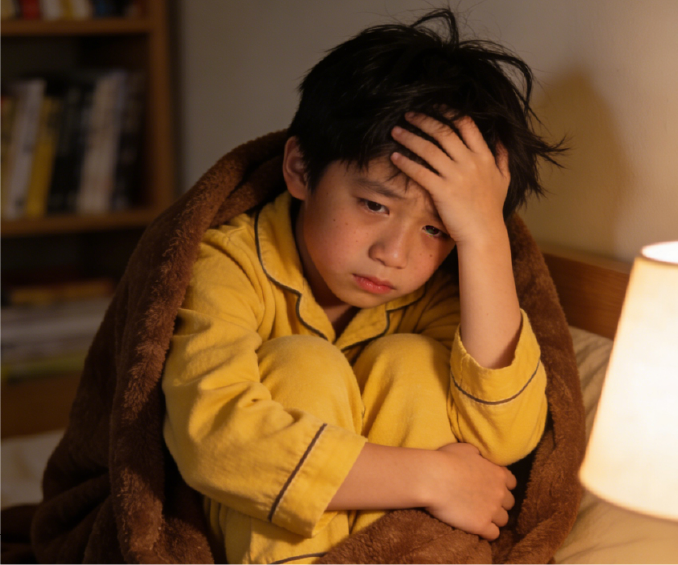
Common symptoms include high fever, severe headache, pain behind the eyes, muscle and joint pain, nausea, vomiting, swollen glands, and rash.
Chikungunya:
Common symptoms include sudden fever, strong joint pain, muscle pain, headache, nausea, tiredness, and rash. Joint pain can sometimes last longer than expected.
Malaria:
Early symptoms often include fever, chills, headache, muscle aches, tiredness, and sometimes nausea, vomiting, or diarrhea.
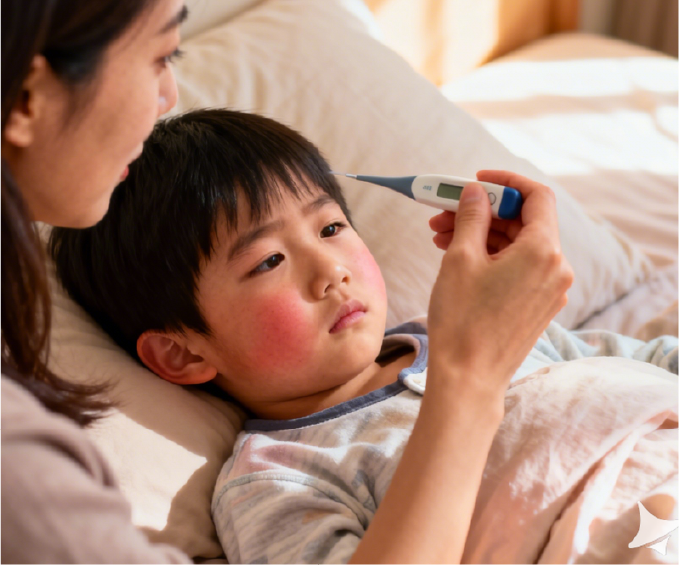
If your child gets a fever or seems unwell after frequent mosquito bites, do not ignore it. Get medical advice early.
Common mosquitoes found in Malaysia:
Parents usually hear the most about Aedes aegypti andAedes albopictus because these are the mosquitoes linked to dengue and chikungunya. Anopheles mosquitoes are linked to malaria. In Malaysia, common mosquito groups also include Culex, Aedes, and Anopheles. For everyday family protection, the Aedes group is the one most parents should pay attention to.

1) Dress your kids to leave less skin exposed.
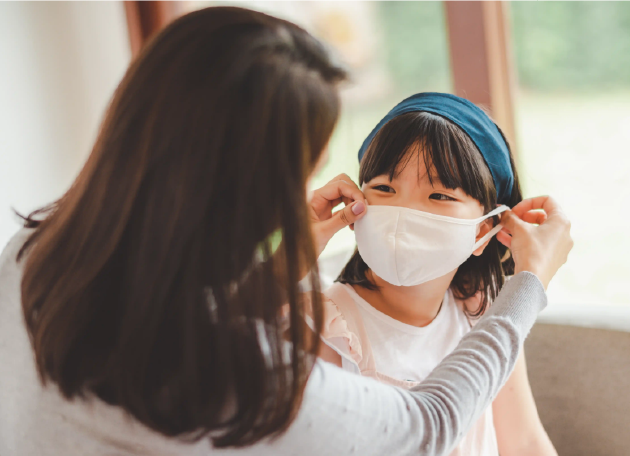
This is one of the easiest things you can do. If your child is going to the park, playground, field, or hiking trail, choose light and breathable clothing that still covers more skin. A loose long-sleeve top, longer pants, and socks can help reduce the areas where mosquitoes can bite. You do not need to overdress your child in hot weather, but even a little more coverage is better than shorts and sleeveless tops when mosquitoes are active.
2) Be smarter about where your kids play.
Mosquitoes love places that help them breed and hide. Areas with stagnant water, damp corners, water-filled containers, or messy outdoor spots tend to attract more mosquitoes. Before your kids play outside, take a quick look around. If you see buckets, toys, flower pots, trays, or containers holding water, clear them out. If the play area is near stagnant water or very poorly maintained, it is better to avoid it. A cleaner play space usually means lower mosquito risk.

3) Do a quick “5-minute mosquito check” at home.
A lot of parents focus only on protection during the outing, but home matters too. Mosquitoes often start from places around the house. Once a week, empty and scrub containers that hold water, turn over unused items, and throw away anything outside that can collect rainwater. This includes pails, toys, planters, trays, and even small containers people usually ignore. If mosquitoes are breeding near your home, your child is already exposed before the family even leaves for an outdoor activity.
4) Use physical barriers when possible.
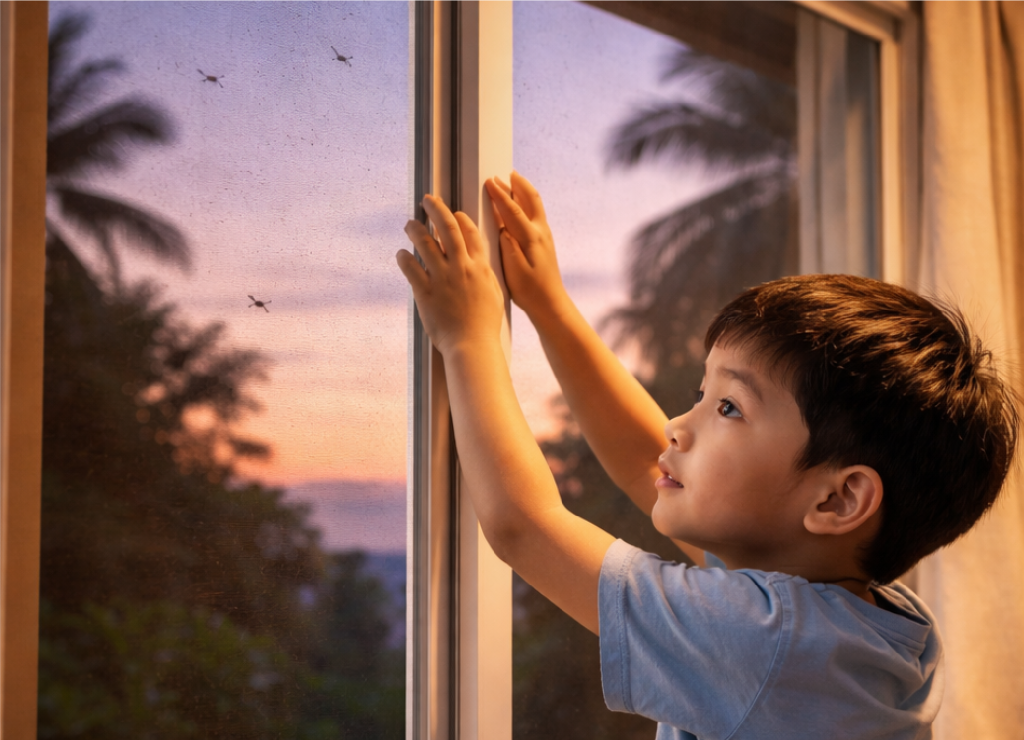
Repellent is useful, but it should not be your only step. Physical barriers help too. Make sure window and door screens at home are in good condition, especially if your child comes back sweaty and tired and wants to rest after outdoor play. For outings like camping, glamping, or evening family time outside, netted or screened spaces can help reduce exposure. The less access mosquitoes have to your child’s skin, the better.
5) Use repellent properly, not casually.
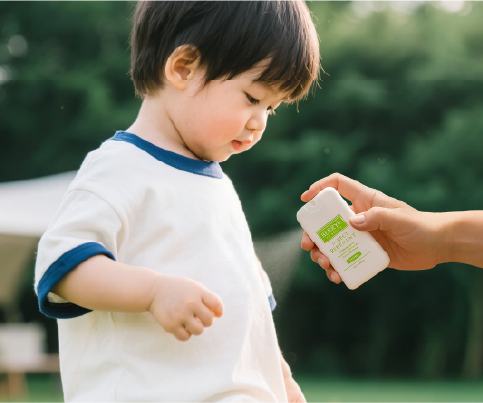
This is the step many people do halfway. They apply too little, forget exposed spots, or never reapply. A repellent only helps when it is used the right way and according to the product instructions. Adults should help apply repellent on children, especially very young kids. If you are also using sunscreen, apply sunscreen first, then repellent. And be realistic: one quick swipe before leaving the house is often not enough for a long outdoor session.
A gentle extra step for parents who want something more comfortable for kids:
If you prefer a softer family-use option, BerryC Moisturizing Insect Repellent Lotion can be introduced as one practical layer of protection during outdoor activities. The product page says it offers up to 4 hours of protection while also helping to hydrate the skin, which is useful for kids whose skin feels dry or uncomfortable outdoors. The brand also positions it as suitable for all ages, made with natural-origin ingredients, and free from DEET and preservative addition.
Why it stands out in a softer way:
BerryC’s lotion uses ingredients such as lavender, eucalyptus, and tea tree, and the brand highlights that it does not have the usual lemongrass-style smell many parents associate with insect repellents. It is also positioned as a 2-in-1 repel-and-moisturize product, so it is not just about keeping mosquitoes away, but also about making the skin feel more comfortable after application. BerryC also highlights Universiti Sains Malaysia testing within its insect-repellent range.