Why Do Flu Outbreaks Spread So Easily in Classrooms?
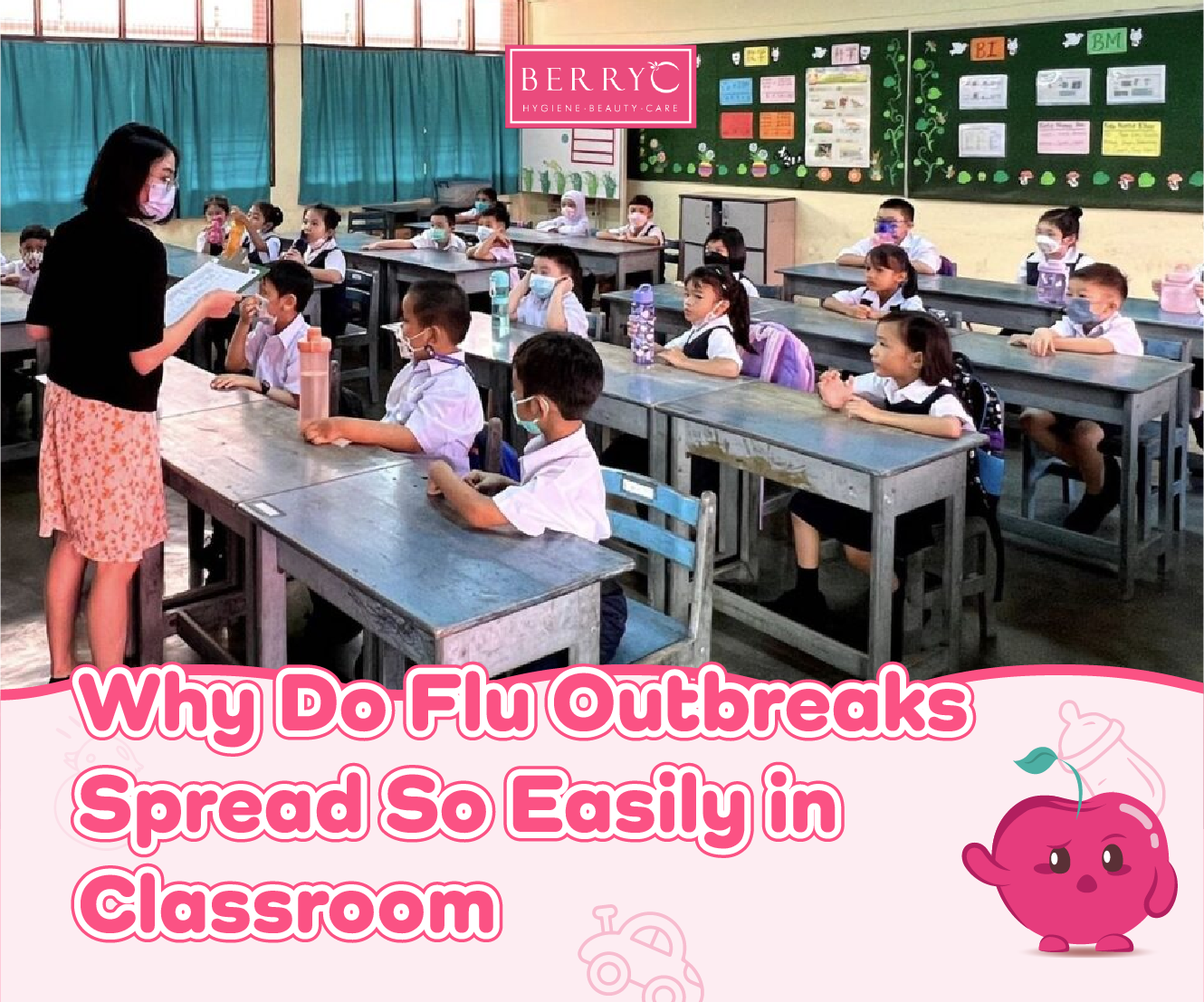
Not every classroom will have a flu outbreak, but classrooms are one of the easiest places for flu to spread. That is because many children sit close together for hours, share the same air, touch the same tables and items, and may not notice early symptoms in time. On top of that, flu is caused by a virus, not bacteria. That detail matters, because viruses can spread very quickly from one child to another in a busy classroom setting.
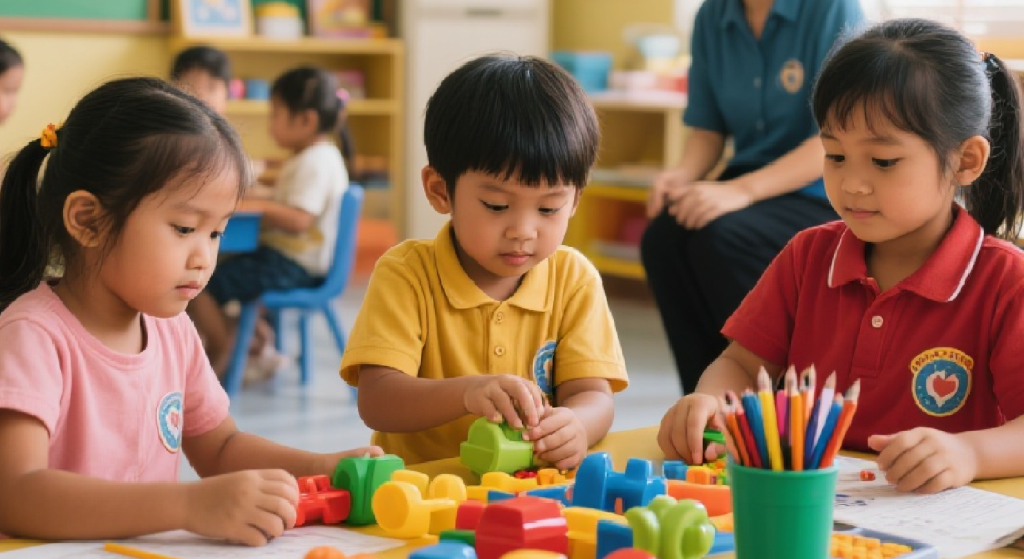
Children are in close contact with each other almost all day.
In class, kids talk face to face, play together, borrow stationery, share books, line up closely, and sit near one another for long periods. Flu spreads easily in crowded places, and schools are one of the settings specifically known for rapid spread. Once one child comes in with flu, it can move through the class much faster than many parents expect.
Flu spreads through droplets, hands, and shared surfaces.
When a sick child coughs, sneezes, talks closely, or wipes their nose, tiny droplets carrying the flu virus can reach nearby students. The virus can also spread when children touch contaminated hands or objects, then touch their eyes, nose, or mouth. In real life, this means desks, doorknobs, chairs, water bottles, pencils, toys, and books can all become part of the chain of spread if hygiene is poor.
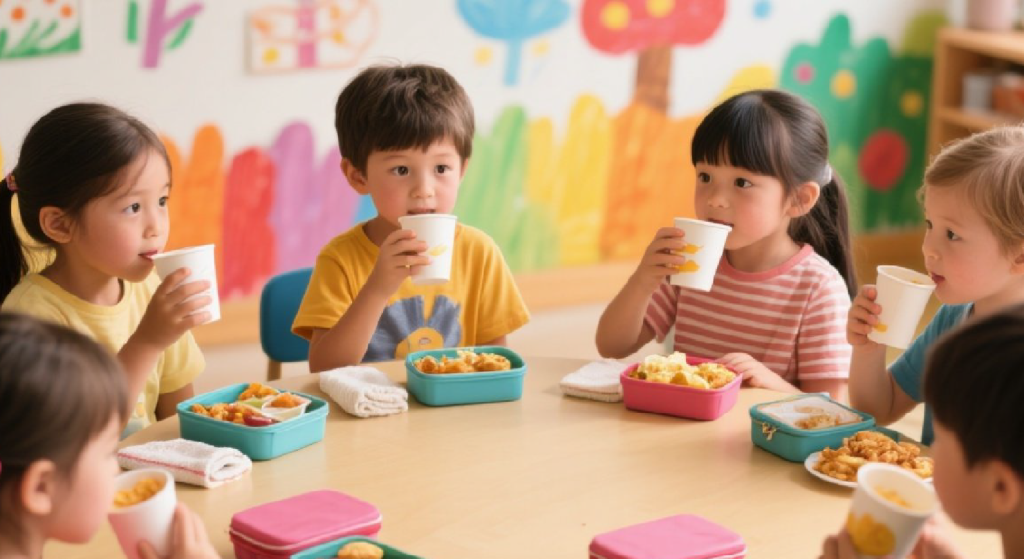
Classrooms make it hard to avoid shared-touch points.
Unlike at home, children in school cannot fully control what they touch. They may use shared tables, toilet doors, sink taps, play items, computer devices, art tools, and other classroom materials. CDC school guidance notes that infections spread more easily where there are shared objects, close contact, poor cleaning routines, and poor ventilation. That is exactly why schools can become hotspots for flu spread.
Some children spread flu before adults realize they are sick.
A child may look only slightly unwell at first — maybe a mild cough, slight tiredness, or a runny nose — but still mix with classmates as normal. By the time fever becomes obvious, the child may already have been in close contact with many others. This is one reason classroom outbreaks can seem sudden, even though the spread likely started earlier.
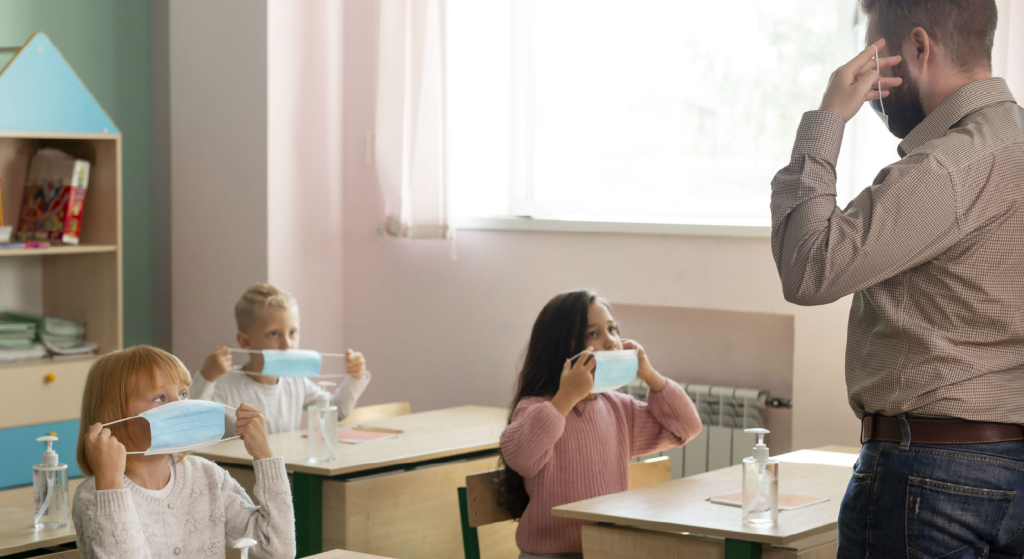
Poor ventilation makes the problem worse.
If a classroom is stuffy, crowded, and not well ventilated, germs have a better chance of spreading from one person to another. This is especially true when children are talking loudly, coughing, sneezing, or moving around in an enclosed area. Good airflow is not the only answer, but poor airflow definitely makes things worse.
Children also bring germs back home.
This is the part many parents worry about most. A child who picks up flu germs at school may then touch the car seat, school bag, lunch box, sofa, dining table, remote control, toys, and family members at home. Even if only one child is sick at first, the illness can quickly move to siblings, parents, or grandparents if home hygiene is weak. That is why school exposure often becomes a household problem too.
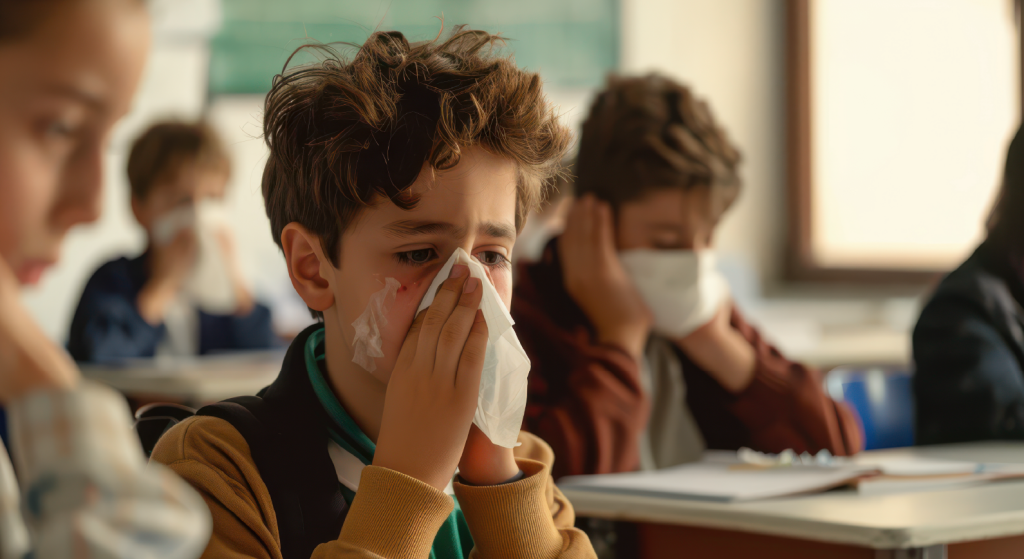
In Malaysia, flu is not the only classroom illness parents should think about.
Common illnesses often seen in school and childcare settings include influenza (flu), common colds, HFMD, and stomach-related infections such as gastroenteritis. Among these, HFMD is especially important in Malaysia because it is endemic here and tends to affect young children easily. So when people talk about “classroom outbreaks,” they are usually not talking about just one disease.
HFMD is a good example of why classrooms are high-risk spaces.
HFMD is caused by a virus and can spread through saliva, mucus, fluid from blisters, and stool contamination. In a preschool or early primary setting, children naturally touch many surfaces and often forget hand hygiene. That makes classrooms a very easy place for viruses to move around if adults do not act quickly.
So how can parents and schools reduce the risk? Here are 4 practical ways.
1) Keep sick children at home early, not late.
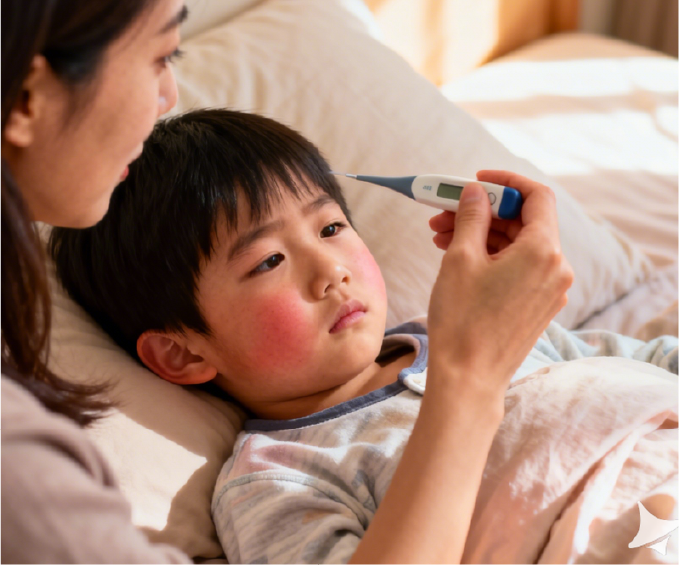
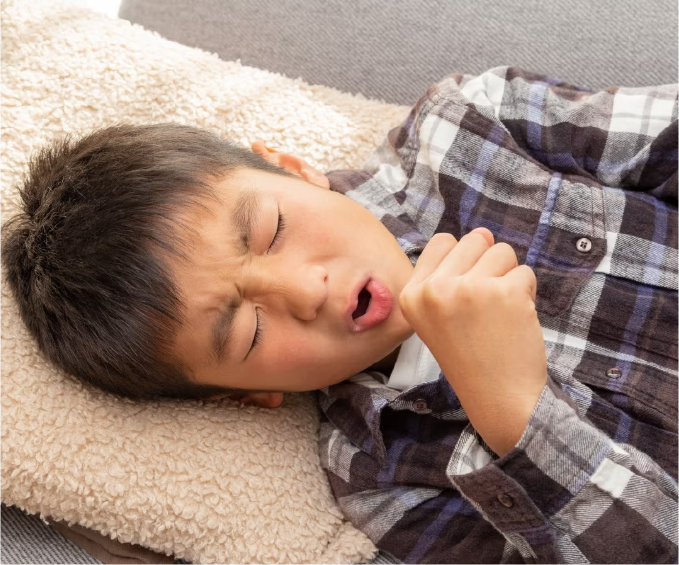
This is one of the most effective steps. If a child has fever, obvious flu symptoms, vomiting, diarrhea, or looks unwell, sending them to class “just for a while” is a bad idea.
Early rest at home lowers the chance of one sick child passing germs to many others.
The problem is not just the child’s own recovery — it is the chain of spread they may start.

2) Teach proper hand hygiene and no face-touching.
Many infections enter through the eyes, nose, or mouth after contaminated hands touch the face.
Children should be reminded to wash hands after toilet use, before eating, after coughing or sneezing, and after touching shared surfaces.
It also helps to train them not to rub their eyes or put fingers near their mouth without cleaning their hands first.
3) Improve cough and sneeze manners.
Children should be taught to cover coughs and sneezes with tissue or elbow, throw tissue away properly, and clean hands right after.
This sounds basic, but many classroom outbreaks get worse because children cough openly, wipe their nose with their hands, or continue touching things immediately after sneezing.
One simple habit can reduce a lot of unnecessary spread.
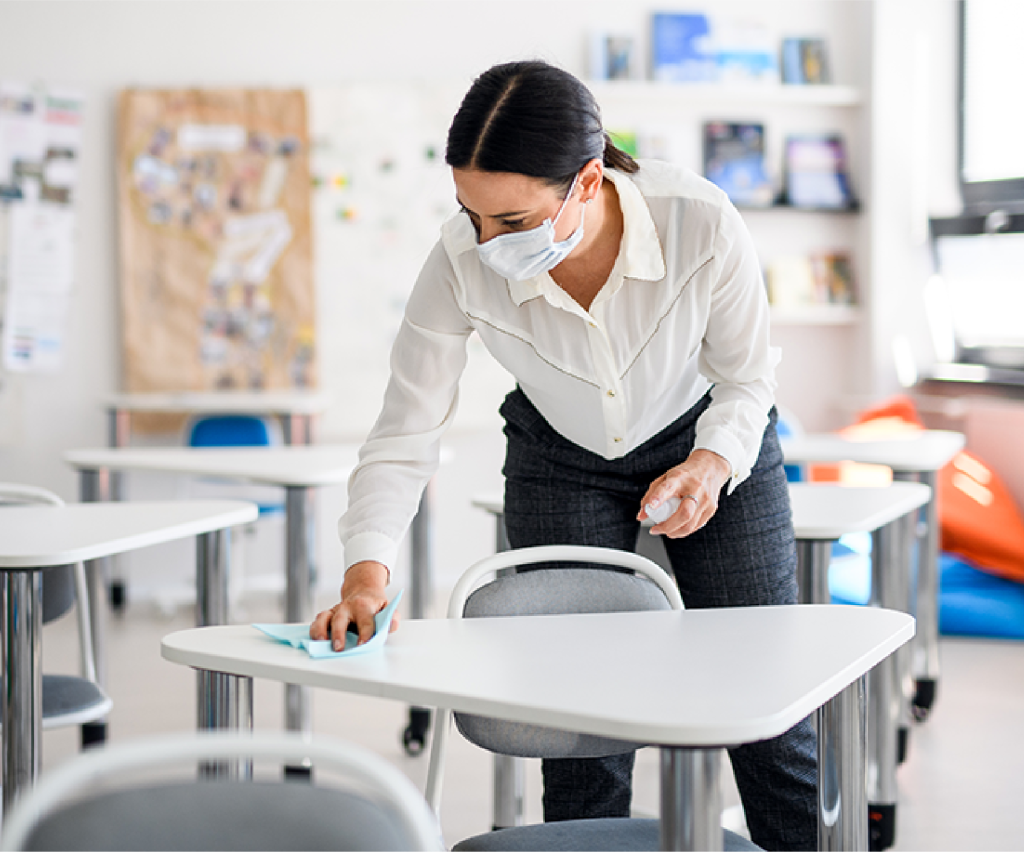
4) Clean and sanitize high-touch items regularly.
School bags, lunch boxes, water bottles, pencil cases, tables, and tablet screens are touched again and again.
Parents can wipe these items after school, while schools can improve cleaning of high-touch surfaces in class.
Cleaning alone will not remove all risk, but it reduces the number of germs children keep passing around.
A soft extra step parents may consider: let kids carry a sanitizer for daily use.
For parents who want one more layer of daily hygiene support, carrying a school-use sanitizer can be practical, especially before meals, after touching shared surfaces, or after outdoor play. BerryC Sanitizer Spray has a portable 40ml version, is water-based and alcohol-free, and the brand states it offers up to 4 hours of protection on hands and up to 28 days on solid surfaces. Those features can make it convenient for school bags and daily routines.
But keep the expectation realistic.
No sanitizer, spray, or hygiene product can promise 100% prevention in real-world classroom life. Children still touch many things, mix with many people, and may forget hygiene steps. A product like BerryC Sanitizer Spray should be seen as one support tool to help reduce risk — not a magic shield. The bigger protection still comes from good habits, early symptom awareness, and responsible behavior at school and at home.